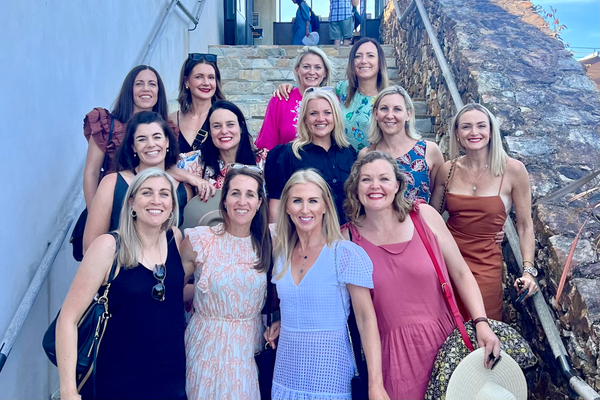
I See You
But every now and then, I stop. And I actually look at the women in my life — at who they are and what they've built and what they carry and what they've overcome. And honestly? I'm in awe.


But every now and then, I stop. And I actually look at the women in my life — at who they are and what they've built and what they carry and what they've overcome. And honestly? I'm in awe.

The conditions have changed completely. The intention hasn’t. So you adapt. You adjust. You figure out how to make it work—because it matters.

But here's what they're missing: an open door policy is fundamentally incompatible with intentional leadership. It makes you reactive instead of proactive, and reactivity is the first step to burnout.

Every culture I've worked in — Wall Street to Wellington — has the same invisible default running underneath burnout, poor decisions and high turnover. Leaders without boundaries. Here's how to fix it.

...but I noticed that while we were getting the work done, we didn’t seem to be growing or innovating in the work that we were doing- at least not as a team.

The moment you start avoiding a conversation is the moment it stops being ‘tough’—and starts becoming costly.

After hundreds of conversations with leaders across New Zealand and Australia, the titles are different—but the pressure is the same.

I don’t actually care how you answer this question. I care about what happens right after I ask it.

On paper, this manager did everything right. In reality, they may have just lost a great employee—after one conversation.